Special Education Retro Groovy Teacher Design Review
As a professional embroidery digitizer and product reviewer, I approach every new graphic with a specific question: will this actually stitch out cleanly on fabric, or is it just a pretty screen image? When evaluating the Special Education Retro Groovy Teacher design, my assessment goes beyond the nostalgic aesthetic. I am looking at stitch pathing, density balance, and commercial viability for small business owners. This review breaks down how this specific machine embroidery design performs in real-world production scenarios, specifically for those creating custom apparel and handmade products for the education niche.
First Impressions and Visual Personality
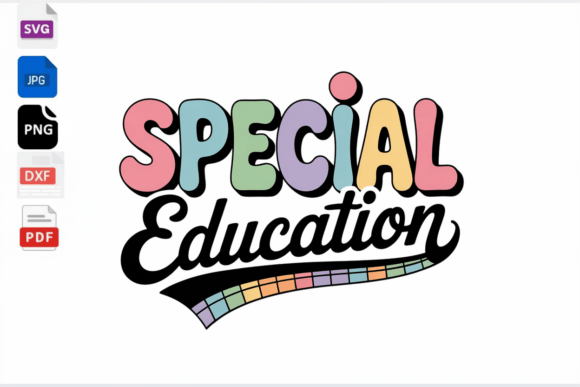
The immediate appeal of the Special Education Retro Groovy Teacher graphic lies in its typography and era-specific color palette. From a designer’s perspective, retro styles are currently dominating the Etsy seller market and craft business sector. However, visual appeal on a monitor does not always translate to needle and thread. Upon inspecting the digital embroidery file, the layout feels balanced. The groovy, warped text creates a natural focal point without requiring excessive jump stitches, which is crucial for maintaining production speed.
The mood is undeniably warm and appreciative, making it an ideal candidate for personalized gifts or teacher appreciation merchandise. Unlike generic school graphics, this design carries a specific emotional weight that resonates with special education professionals. For a handmade product creator, this emotional connection is what drives buyer engagement and justifies a higher price point. The graphics style suggests it was created with both print and stitch in mind, but as we know, the transition from pixel to satin stitch requires careful verification.
Real-World Application: The Sweatshirt Test
To truly evaluate this asset, I mentally simulated a common client request: a custom embroidered sweatshirt for a special education team. Sweatshirt embroidery presents unique challenges due to the fleece backing and stretchy knit face. In this scenario, the Special Education Retro Groovy Teacher design needs to hold its shape without puckering the garment.
If you are planning a similar project, consider the following practical observations:
- Stitch Density Management: Retro fonts often feature varying line widths. Ensure the embroidery file has appropriate underlay for the thicker sections of the lettering to prevent the stitches from sinking into the fleece texture.
- Color Contrast: This design likely relies on warm oranges, yellows, or browns. On a heather grey or cream sweatshirt, these thread colors pop beautifully. However, on dark navy or black fabrics, you may need to add a white outline or increase the brightness of your thread selection to maintain readability.
- Hoop Size Verification: Before hooping your expensive blank, confirm the exact dimensions. A 4x4 hoop might be too tight for the full phrase, while a 5x7 offers better spacing. Always check the digital file properties before starting.
In this real-life application, the design serves as more than just decoration; it becomes a badge of honor for the wearer. For small shop product lines, this versatility allows you to offer the same design across multiple blanks, maximizing your return on design assets.
Critical Considerations for Fabric and Stabilizer
While the Special Education Retro Groovy Teacher design is versatile, it demands respect for fabric physics. Not all textiles are created equal, and using the wrong stabilizer can ruin a perfectly digitized file. If you are applying this to a tote bag design, the canvas provides a stable foundation that supports dense fill stitch areas effortlessly. Conversely, if you are attempting baby embroidery on a onesie or lightweight jersey, caution is required.
Stretchy fabrics require a cut-away stabilizer to prevent distortion during the stitching process. Because retro designs often include curved baselines, any shifting in the hoop will result in misaligned letters. I strongly advise testing the design on scrap fabric first. Run a test stitch-out using the exact stabilizer and thread colors intended for the finished product. Inspect the back of the sample; if you see excessive bobbin thread showing on top or gaps between satin stitch columns, you may need to adjust your tension or select a different stabilizer weight.
For textured fabrics like terry cloth tea towels or quilted cushions, consider using a water-soluble topping. This prevents the fabric texture from poking through the stitches, ensuring the groovy lettering remains crisp and legible. Without this step, the intricate details of the retro font can get lost in the pile of the fabric, diminishing the professional quality of your commercial embroidery work.
Navigating Small Details and Licensing
A common pitfall with retro graphics is tiny decorative elements. Stars, flowers, or sparkles often accompany the main text in the Special Education Retro Groovy Teacher theme. As an experienced reviewer, I must warn against resizing this design too small. If the accent elements drop below 4mm, they may turn into thread nests or become unrecognizable blobs after washing. Always inspect small details in your embroidery software before sending the file to the machine.
Furthermore, verify the licensing terms associated with this digital embroidery file. Just because a design is available for purchase does not automatically grant unlimited commercial rights. Confirm whether you can use it for physical products sold in your Etsy shop or if it is restricted to personal use. Protecting your craft business means respecting intellectual property and ensuring your listings comply with platform policies. This diligence builds customer trust and safeguards your brand reputation.
Expanding Beyond Apparel: Drinkware and Decals
The product description highlights suitability for coffee mugs, tumblers, and vinyl decals. While I primarily review for embroidery, these applications inform the overall design quality. A graphic that works well as a vinyl decal usually has clean vector lines, which often translates to cleaner digitizing. If you are a multi-disciplinary maker, this Special Education Retro Groovy Teacher asset offers excellent cross-platform value.
For embroidered patches or applique design variations, ensure the outer boundary is defined by a sturdy running stitch or satin border. This contains the internal fill stitch and gives the patch structural integrity. When creating printable mockups for your online store, showcase the design on both light and dark backgrounds. Buyers need to visualize how the thread colors interact with different garment shades. High-quality mockups bridge the gap between digital preview and tangible reality, significantly boosting conversion rates for handmade sellers.
Final Verdict for Makers and Sellers
The Special Education Retro Groovy Teacher design represents a strong addition to any embroiderer's library, provided it is executed with technical mindfulness. Its strength lies in its targeted emotional appeal and trendy aesthetic, which aligns perfectly with current market demands for personalized teacher gifts and boutique apparel. However, success depends entirely on your preparation.
Do not skip the test stitch. Do not assume one stabilizer works for all fabrics. Do not ignore the license. By treating this graphic as a professional tool rather than a quick fix, you elevate the perceived value of your finished product. Whether you are stitching a holiday gift for a colleague or building a seasonal collection for your small business, this design has the potential to deliver beautiful, profitable results when handled with the care and expertise that the special education community deserves.